How to Come Back Mentally From an Injury (and why it’s harder than people think)
Annie Flores, MS, LPC
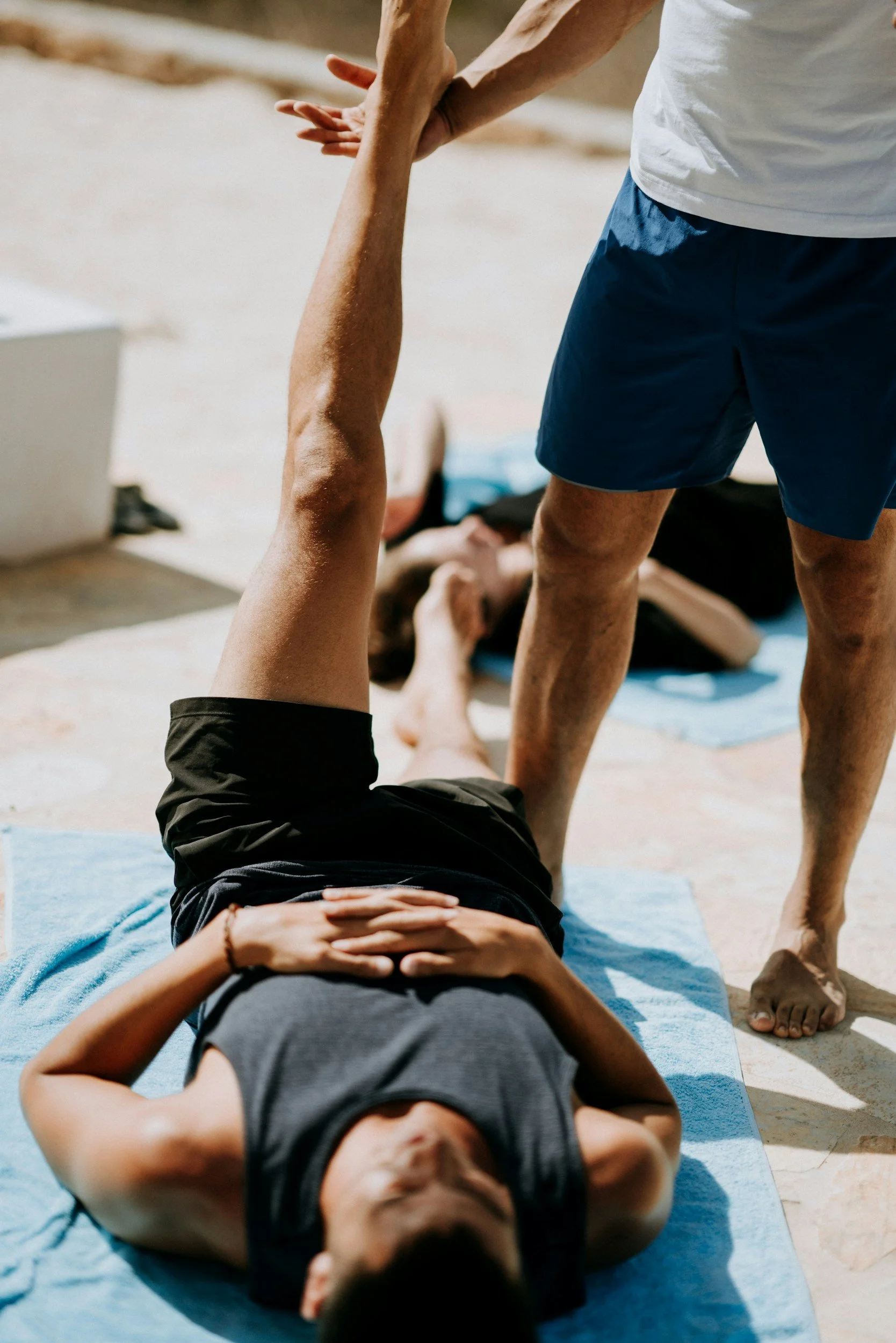
An injury doesn’t just take you out physically, it takes you out mentally, emotionally, and sometimes even socially. One day you’re training, competing, pushing yourself, and the next, everything slows down. Your routine changes, your role changes, and your identity starts to feel… uncertain. For many athletes, the hardest part of an injury isn’t the pain, it’s the space it creates.
The Mental Impact of Injury
Injury disrupts more than performance, it disrupts stability and athletes often experience:
Frustration and impatience
Anxiety about falling behind
Fear of re-injury
Loss of confidence
Identity confusion
Isolation from teammates
Even highly motivated athletes can find themselves thinking:
“What if I’m not the same when I come back?”
“What if I lose my spot?”
“What if I’m falling behind everyone else?”
These thoughts are normal, but if they go unaddressed, they can impact recovery and performance long after the body has healed.

Why Mental Recovery Matters
You can be physically cleared… and still not feel ready. Mental recovery affects things such as your confidence during play, your willingness to fully engage, your ability to trust your body again, and your performance under pressure. Athletes who don’t address the mental side of the injury often hesitate during competition, overthink movements, play cautiously instead of freely, and feel disconnected from their performance. Recovery isn’t complete until both the body and mind are ready.
How to Start Rebuilding Mentally
1.Focus on What You Can Control
Injury takes away control, and that’s what makes it frustrating. Instead of focusing on what’s lost, shift to focusing on your rehabilitation efforts, sleep and recovery habits, having good nutrition, mindset work and daily consistency. Control builds confidence and even small wins matter.
2. Stay Connected to Your Sport
One of the biggest mistakes athletes make is mentally checking out. Even if you can’t compete, you can stay engaged. You can attend practices, watch film, support your teammates, and visualize performance. This keeps your identity anchored without increasing pressure.
3. Train Your Mind While Your Body Heals
You don’t have to wait to get better mentally, instead you can use this time to build. Some things you can focus or work on could be your focus skills, emotional regulation, visualization techniques and pre-performance techniques. In many cases, athletes comes back mentally stronger than before.
4.Expect Fear, and Don’t Fight It
Fear of re-injury is normal and trying to ignore it usually makes it worse. Instead, acknowledge it. Gradually reintroduce movement and build trust through repetition. Confidence doesn’t come from forcing it, it comes from experience.
5.Let Go of the Timeline Comparison
One of the most damaging thoughts during injury is “I should be further along by now.” Recovery isn’t linear, and comparing your timeline to others increases pressure and frustration. Instead, focus on your process, not someone else’s pace.
6.Separate Your Identity From Your Sport
This is one of the hardest, but most important shifts. You are not just your performance, and injury creates an opportunity (even if it doesn’t feel like it) to explore who you are outside your sport. It’s an opportunity to explore your strengths beyond competition, and what you value beyond results. Athletes who develop identity outside of performance often return with greater resilience.
A Strong Comeback Isn’t Just Physical
The goal isn’t just to return, it’s to return ready. Mentally, Emotionally, and Physically. A strong comeback looks like trusting your body again, staying present instead of overthinking, playing with effort instead of fear, and being able to reset after mistakes. Coming back from injury can feel isolating, but it doesn’t have to stay that way. The mental side of recovery is just as important as the physical and it’s something that can be worked on, strengthened and supported, especially for athletes who are used to pushing through everything on their own. If you’re working through an injury and struggling mentally, support is available. Still Waters Counseling provides support for teens and student athletes navigating stress, performance pressure, and recovery. You don’t have to rush your comeback, your just have to build it the right way.